

Have you ever thought about the legal rights of undocumented immigrants in the U.S.? The U.S. Constitution gives big protections to everyone, no matter their immigration status.
Undocumented immigrants have more rights than you might think. The 14th Amendment makes sure everyone gets equal treatment under the law. This means they have rights in education, healthcare, and workplace safety.
Knowing about immigrant rights in the U.S. is very important. It helps those going through tough legal times. They have more help than many think.
Table of Contents
Key Takeaways
- Undocumented immigrants are protected by the U.S. Constitution
- Every child has the right to public education
- Workers are protected against discrimination and unsafe conditions
- Legal counsel is available during criminal proceedings
- Constitutional rights apply regardless of immigration status
Understanding Undocumented Immigration
Undocumented immigration is a big issue in the United States. About 11 million undocumented immigrants live here. We need to understand their legal status and challenges well.
Who Are Undocumented Immigrants?
Undocumented immigrants live in the United States without permission. They come here for many reasons, like:
- Overstaying temporary visas
- Crossing borders without legal documents
- Entering as children with family members
Common Pathways to Undocumented Status
Many things lead to undocumented worker rights challenges. Economic problems, political issues, and family separation push people to the U.S.
Some programs show how complex their situation is:
- The Deferred Action for Childhood Arrivals (DACA) protects about 700,000 “Dreamers.”
- Temporary Protected Status (TPS) helps around 400,000 people from countries in crisis.
Legal help for undocumented immigrants is very important. Knowing their rights and possible legal paths is key to supporting them.
Note: Immigration status is a civil matter, not a criminal offense. This shows why we need kind and informed ways to deal with this issue.
Constitutional Rights of Undocumented Immigrants
The U.S. Constitution protects everyone, no matter their immigration status. Undocumented people have important rights. These rights help keep their dignity and ensure they are treated fairly.
Knowing about deportation defense rights starts with understanding these core protections. These rights help prevent unfair treatment and ensure everyone is treated equally.
Right to Due Process
Due process is very important for undocumented immigrants. It makes sure people can’t lose their freedom without fair legal steps. Key parts include:
- Right to a hearing before deportation
- Opportunity to present evidence in immigration court
- Protection against immediate removal without legal review
Right to Equal Protection
The Equal Protection Clause stops discrimination based on where you’re from or immigration status. This means undocumented people have basic rights to:
- Protection from unfair government actions
- Access to basic legal proceedings
- Fair treatment under the law
Important resources for understanding these rights include nonprofits like the National Immigration Law Center. They offer detailed help for undocumented immigrants in complex legal situations.
Employment Rights for Undocumented Workers
Undocumented immigrants make up about 5% of the U.S. workforce. They have important rights and protections under labor laws. These laws help keep their jobs safe and fair.
Minimum Wage and Overtime Protections
Undocumented workers have basic wage rights. Laws say they must get the minimum wage and overtime pay. Employers can’t pay them less than the law allows.
- Guaranteed minimum wage for all workers
- Overtime pay requirements apply universally
- Wage theft reporting mechanisms available
Workers’ Compensation Entitlements
Immigrants and labor laws help undocumented workers get workers’ compensation. In places like California, they can get medical help and money if they get hurt at work.
Key Compensation Features:
- Medical treatment coverage
- Potential wage replacement
- Protection against employer retaliation
Whistleblower Protections
Undocumented workers have strong whistleblower protections. They can report bad work conditions or law breaks without fear. The “Deferred Action for Labor Enforcement” (DALE) helps protect them from deportation.
Studies show 75% of undocumented workers would speak up more if they felt safe. These protections help make sure everyone has a fair and safe job.
Access to Healthcare for Undocumented Immigrants
Getting healthcare can be hard for undocumented immigrants in the U.S. Federal laws help them get the care they need, mainly in emergencies.

There are big differences in healthcare for undocumented immigrants. In 2023, about 50% of likely undocumented adults didn’t have insurance. Only 8% of U.S.-born citizens were uninsured.
Emergency Medical Services
It’s important to know about emergency legal help for immigrants. The Emergency Medical Treatment and Active Labor Act (EMTALA) says hospitals must give emergency care to everyone. This includes those who are not documented.
- Hospitals cannot refuse emergency treatment
- Care must be provided until the patient is stabilized
- No documentation is required for emergency services
Prenatal and Maternal Care
Undocumented immigrants also have rights to prenatal care. By 2025, 31 states plus Washington D.C. will cover healthcare for pregnant people.
| State Coverage Type | Number of States |
|---|---|
| Medicaid/CHIP for Immigrant Children | 37 |
| Coverage for Pregnant Individuals | 31 |
| Full State-Funded Coverage for Children | 23 |
Many community health centers and nonprofits help undocumented immigrants. They offer care at prices people can afford. This makes sure they get the medical help they need.
Education Rights for Undocumented Children
Undocumented students have the right to equal education in the United States. The Supreme Court case Plyler v. Doe in 1982 made sure of this. It said all kids can go to free public school, no matter their immigration status.
- Free K-12 public school enrollment
- Protection from discrimination
- Equal access to educational resources
- Right to receive language support services
Access to Public Education
The Plyler v. Doe decision changed how undocumented kids go to school. Schools can’t turn them away because of their immigration status. It said kids shouldn’t be blamed for things they didn’t do.
In-State Tuition Eligibility
DACA has opened doors to college for some undocumented youth. Many states let them pay in-state tuition, making college cheaper. Places like California, New York, and Texas support these students’ dreams.
Undocumented students are big helpers in schools. In 2022, they paid about $96.7 billion in taxes. They show they’re important to our economy and society.
Interaction with Law Enforcement
Talking to law enforcement can be hard for undocumented immigrants. Knowing your rights during ICE meetings is key to keep you and your family safe. The rules about immigration are complex and scary.
When immigration officers or local police come to you, you have rights. The American Civil Liberties Union (ACLU) helps a lot in these tough times.
Rights During a Detention
Here are important rights to remember if you’re detained:
- You have the right to remain silent
- Do not share your immigration status
- Don’t sign anything without a lawyer
- Ask for a lawyer right away
- Don’t agree to searches of your car or home
Filing Complaints Against Law Enforcement
If you think your rights were broken, it’s important to know how to report abuse. You need to document everything and report it the right way.
- Write down everything that happened
- Get the officer’s name, badge number, and car info
- Record when, where, and what happened
- Reach out to local civil rights groups
- File a complaint with the right agencies
Pro tip: Always carry your immigration papers and have someone you trust to help in emergencies.
Immigration Law and Undocumented Immigrants
Navigating immigration law is hard for undocumented immigrants in the U.S. There are about 11 million undocumented people here. Knowing immigration detention rights is key for safety and legal protection.
The removal process is complex and scary. Undocumented immigrants need to know how to avoid deportation. They also need to protect their legal rights when dealing with immigration authorities.
Understanding the Removal Process
Federal immigration laws are complex and always changing. In 2022, about 185,000 people were deported from the U.S. It’s very important to know your legal protections.
- Know your constitutional rights during detention
- Seek immediate legal representation
- Avoid signing documents without legal counsel
- Remain calm during interactions with authorities
Rights During Immigration Court Proceedings
Undocumented immigrants have special legal rights in court. Important rights include presenting evidence, challenging deportation claims, and appealing negative decisions.
| Legal Right | Description |
|---|---|
| Right to Attorney | Can hire legal representation at personal expense |
| Evidence Presentation | Opportunity to submit supporting documentation |
| Appeal Process | Can challenge court decisions through legal channels |
Many groups help immigrants with legal issues. The ACLU of Texas and local legal aid groups work hard to protect immigrant rights.
Access to Public Benefits
It can be hard for immigrants to get public benefits. They need to know about immigration relief programs. This helps them get the services they need.
The rules for public benefits for immigrants are complex. They change based on the person’s situation. Important things to think about include:
- Emergency Medicaid is available to everyone, no matter their immigration status.
- Mixed-status families might get some state programs.
- Some states offer more healthcare and food help.
Eligibility for Food Assistance
The Supplemental Nutrition Assistance Program (SNAP) has its own rules. Eligible non-citizen groups include:
- Refugees
- Asylum granted individuals
- Victims of severe trafficking
- Lawful permanent residents after a 5-year waiting period
Healthcare Access Through Medicaid
Medicaid rules for immigrants differ by state and status. For example, New York State covers undocumented immigrants aged 65 and older starting January 1, 2024.
Immigrants should look up local help and talk to immigration experts. This way, they can understand how to get public benefits and immigration relief.
Family Rights and Reunification
Undocumented families face big challenges in immigration. The U.S. immigration system has ways to help families stay together. Knowing these undocumented family legal options is key for families in tough legal spots.
Family unity is a big part of U.S. immigration policy. In 2023, almost 880,000 immigrant citizens were welcomed. Many of these cases were about family ties. Immigration lawyers help families through these hard processes.
Rights to Family Unity
Families have important rights when dealing with immigration:
- Protection against being split up
- Right to ask for family members
- Access to legal help and support
Navigating Family Immigration Petitions
Immigrants need to know how to apply for asylum or family reunification:
- File Form I-130 to show family ties
- Give all needed documents
- Meet financial needs
- Get ready for interviews and medical checks
U.S. citizens can help immediate relatives, like spouses and kids under 21. Lawful permanent residents can also help family members with the right paperwork.
Protections Against Discrimination
Undocumented immigrants in the United States have important legal protections. These laws help them in workplaces and housing. They make sure everyone gets their rights, no matter their immigration status.
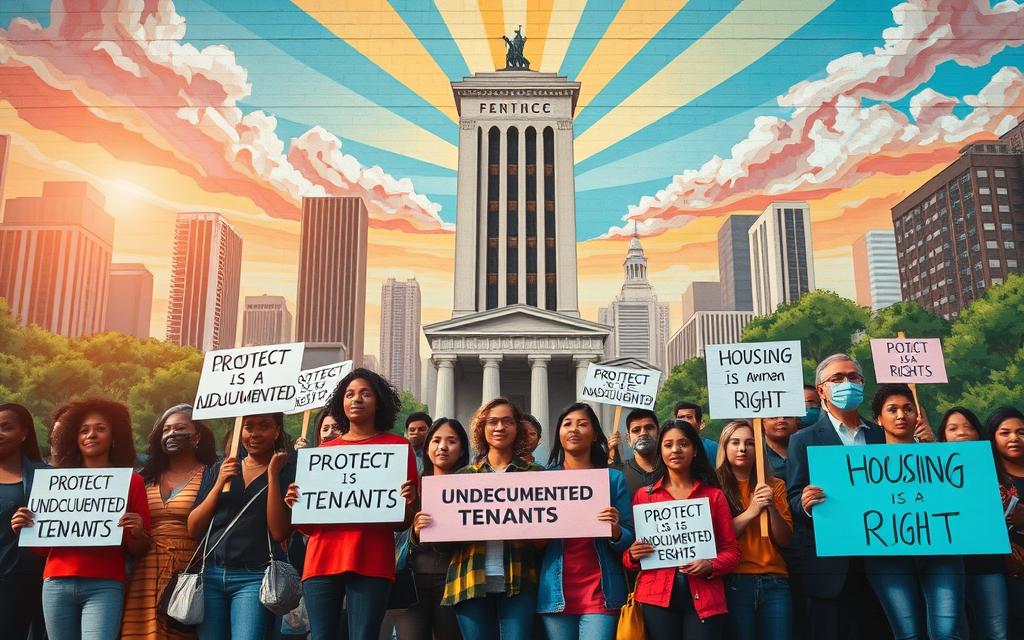
There are strong laws for undocumented tenant rights and in sanctuary cities. These laws protect people from unfair treatment.
Workplace Discrimination Protections
Undocumented workers have many rights at work. These rights are very important:
- Protection against discrimination for employers with 4 or more employees
- Equal rights in hiring, firing, and recruiting processes
- Minimum wage and overtime pay guarantees
- Safety standards enforcement by OSHA
- Right to unionize under the National Labor Relations Act
Housing Rights and Access
Housing laws protect undocumented immigrants from unfair treatment. For example, in New York City, laws stop discrimination based on immigration status.
Important housing rights include:
- Preventing landlords from discriminating based on national origin
- Ensuring equal access to housing opportunities
- Allowing complaints to be filed within one year of discriminatory acts
Sanctuary cities are very important. They make safe places for undocumented people. They can get important services without fear.
Legal Resources Available for Undocumented Immigrants
Immigration law is hard to understand for undocumented immigrants. It’s key to know about legal help to protect rights and get emergency aid.
Many non-profits help immigrants with legal issues. They give advice and help to understand legal choices.
Nonprofit Organizations Providing Help
- American Civil Liberties Union (ACLU): Helps with immigrant rights
- National Immigration Law Center (NILC): Offers legal advocacy
- Immigrant Legal Resource Center: Helps with education and legal support
Finding Pro Bono Legal Assistance
Pro bono legal aid is available through different ways:
- Call local bar association referral services
- Visit community legal clinics
- Connect with immigrant rights groups
| Organization | Services | Contact Information |
|---|---|---|
| American Immigration Lawyers Association | Legal Referrals | 1-800-954-0254 |
| MOIA Immigration Legal Support Hotline | Free Confidential Help | 800-354-0365 |
Important: Always check if a legal service is real to avoid scams. Real groups offer clear, private help for undocumented immigrants.
The Role of Sanctuary Cities
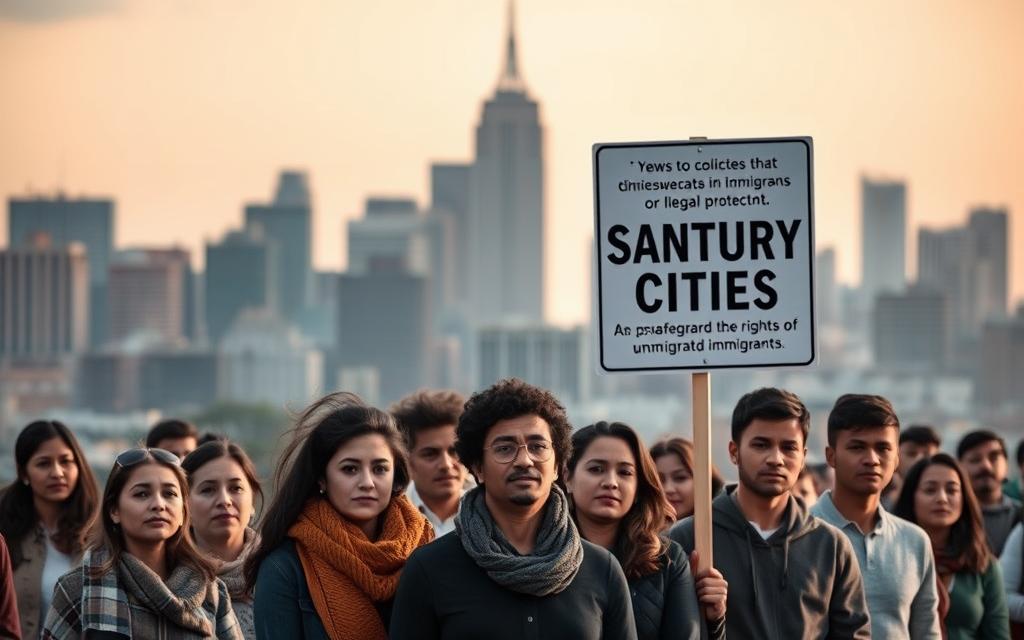
Sanctuary cities are key in protecting the rights of non-citizens in the US. They have special rules to keep undocumented immigrants safe from federal immigration actions. This idea started in Berkeley, California, in 1971 to support U.S. Navy soldiers against the Vietnam War.
Sanctuary cities aim to make a safe place for immigrants. They can get help without fear of being deported. Sanctuary policies limit local law enforcement’s work with federal immigration. This lets people report crimes, get medical help, and use public services without worry.
Key Sanctuary City Protections
- Prohibiting local police from inquiring about immigration status
- Restricting information sharing with federal immigration agencies
- Preventing local governments from entering detention contracts
- Protecting access to essential city services
By January 2025, 13 states and hundreds of cities had sanctuary laws. These laws have shown good results. Studies found that sanctuary areas have about 35.5 fewer crimes per 10,000 people than non-sanctuary areas.
Impact on Community Safety
Sanctuary cities work to build trust between immigrants and local police. Research shows these policies help with crime reporting and community help. For example, a 2018 ACLU survey found that over 50% of police found it harder to investigate crimes like domestic violence when immigrants fear deportation.
Advocacy and Support Networks
Grassroots groups are key in fighting for immigrant rights in the US. They offer vital help to those without papers. This includes legal aid and community support.
These groups help undocumented people face tough legal and social issues. They teach how to report immigration abuse.
Community support is very powerful. It helps undocumented immigrants a lot. Groups like the National Immigration Law Center and United We Dream offer many services.
They give workshops, legal advice, and emotional support. They teach about constitutional rights and how to stay safe.
Local groups are also very important. They provide free legal help, healthcare, and education. They help immigrants fit into local communities.
These groups change policies that affect undocumented people. They offer immediate help and work for long-term change.
It’s very important for undocumented immigrants to join these networks. They get important resources, learn about their rights, and find safety and hope.


More Stories
Immigration Lawyer: Your Guide To Legal Immigration Help
How an Immigration Lawyer in Fort Worth Helps Individuals Navigate Federal Immigration Law
What Happens If Your Immigration Case Is Delayed? Know Your Rights.