

Are you facing a deportation order and wondering if hope is lost? The deportation appeal process might be your only hope. The U.S. Immigration and Customs Enforcement (ICE) has raised removal orders a lot. Knowing your legal rights is key to fighting deportation.
A deportation order is a big deal for non-citizens. You can fight it with the right legal steps. This could help you avoid being forced to leave the country.
It’s important to act fast when appealing a deportation order. You only have 30 days to appeal to the Board of Immigration Appeals (BIA) after a judge’s decision. This shows how urgent it is to have a good legal plan.
Table of Contents
Key Takeaways
- Deportation orders can be appealed within 30 days of the initial ruling
- Legal representation significantly improves appeal success rates
- Understanding immigration status is critical in fighting removal orders
- Multiple appeal options exist depending on individual circumstances
- Timely documentation and evidence are essential in the appeal process
Understanding Deportation Orders
Deportation orders are complex in immigration law. They can change a person’s life a lot. It’s important to know what they are and their legal effects.
What Defines a Deportation Order?
A deportation order tells a non-citizen to leave the U.S. It’s a key way to follow immigration rules and keep the country safe. To appeal, you need to know the steps and legal ways.
Reasons for Deportation
People can get deported for many reasons:
- Visa Violations: Staying longer than allowed
- Criminal convictions
- Entering the U.S. without permission
- Fraud or lying on immigration papers
- Not keeping legal status
Knowing your legal options is key if you might get deported. To stop deportation, you need a good plan and to know immigration laws well.
The deportation process starts with a Notice to Appear (NTA). It officially starts court proceedings. This notice lists the reasons and sets a hearing date. It’s the first big step towards removal.
The Right to Appeal a Deportation Order
Getting a deportation order is scary. But knowing your rights is key. The appeals process is a big help for those fighting to stay in the U.S. With a 20% to 30% success rate, a good lawyer can really help.
Going through the Board of Immigration Appeals needs careful planning. You have a short time to appeal, making timing very important.
Legal Grounds for Appeal
Appeals can be based on several key legal grounds:
- Errors in legal interpretation by the immigration judge
- Procedural irregularities during the original hearing
- Presentation of new, significant evidence
- Constitutional violations during the immigration proceedings
Importance of Timing in Appeals
The appeal timeline is strict. You have 30 days from the immigration judge’s decision to file your appeal. Missing this deadline means you can’t challenge the deportation order anymore.
Key deadlines to remember:
- File Notice of Appeal (Form EOIR-26) within 30 days
- Prepare detailed documents to support your case
- Be ready for a wait of six months to over a year
Having a skilled deportation defense lawyer is very helpful. They make sure you meet all the rules and boost your chances of winning.
Types of Deportation Appeals
Deportation cases can be very complex. There are many ways to challenge removal orders. It’s important to know about these options to protect your rights.
People facing deportation have several ways to appeal. These appeals let them show new evidence or argue against the original order.
Administrative Appeals
Administrative appeals are the first step to fight deportation. They have key points:
- Filing with the Board of Immigration Appeals (BIA) within 30 days
- Providing detailed documents to support the appeal
- Showing legal mistakes in the original order
Judicial Appeals
If administrative appeals don’t work, you can try judicial appeals in federal courts. Filing a motion to reopen deportation case needs careful planning and legal knowledge.
- Review by federal circuit courts
- Challenging constitutional or procedural errors
- Seeking relief through higher courts
Board of Immigration Appeals
The Board of Immigration Appeals is key for reviewing deportation cases. Important parts of the BIA process are:
- Reviewing decisions made by immigration judges
- Considering rights during deportation proceedings
- Potential for cancellation of removal in certain cases
It’s vital to understand your situation and gather strong evidence for your appeal. Having a lawyer can greatly help your chances of winning.
The Appeal Process Explained
Dealing with deportation waiver options can be tough for immigrants. The appeal process needs careful steps and following legal rules. Knowing these steps can help you win your appeal.
When facing an immigration court, timing is key. The appeal process has several important stages. You must act quickly and correctly.
Step-by-Step Appeal Breakdown
- Receive official deportation order
- Carefully review the reasons for deportation
- Consult with an immigration attorney
- Prepare and file the Notice of Appeal
- Submit all required documentation
Critical Timelines to Remember
Immigration appeals have strict deadlines. You have only 30 days to file an appeal with the Board of Immigration Appeals (BIA) after getting a deportation order.
| Appeal Stage | Typical Timeframe | Key Action |
|---|---|---|
| Initial Filing | 30 days | Submit Notice of Appeal |
| BIA Review | 3-6 months | Written Arguments Reviewed |
| Potential Federal Appeal | 6-12 months | Petition for Review |
Necessary Documentation
- Completed appeal form (Form EOIR-26)
- Copy of original deportation order
- Detailed written legal arguments
- Supporting evidence and documentation
- Filing fees
Getting help from a skilled immigration lawyer can really help. They know the appeal process well. They make sure your documents are right and on time.
Grounds for Successful Appeals
Going through an ICE deportation appeal needs careful planning and knowing your legal rights. About 30% of appeals are successful. People facing deportation must build strong arguments and gather important evidence.
Appeals succeed when you find legal mistakes or new facts that question the deportation order. Knowing what to appeal can really help your case.
Common Reasons for Appeals
- Procedural mistakes during immigration court hearings
- Misinterpretation of immigration law
- Constitutional rights violations
- New evidence unavailable during initial proceedings
Evidence to Support Your Case
When appealing asylum denial, you need strong evidence. This might include:
- Proof of persecution risks in your home country
- Medical or psychological reports
- Expert opinions on your country’s conditions
- Statements from trusted witnesses
Role of Legal Representation
Having a lawyer can greatly improve your chances. People with lawyers do much better than those trying alone.
| Appeal Aspect | With Legal Representation | Without Legal Representation |
|---|---|---|
| Success Rate | 45-55% | 10-15% |
| Case Complexity Management | High | Low |
| Evidence Preparation | Comprehensive | Limited |
Remember, timely and strategic preparation is key for an ICE deportation appeal. Every detail matters for your case’s success.
The Impact of Immigration Status
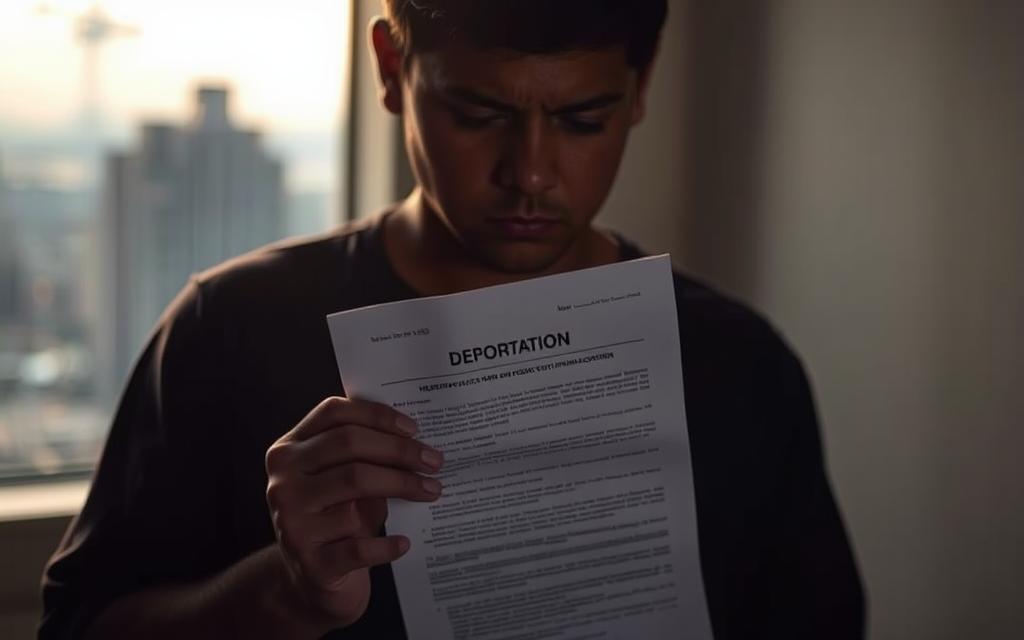
Dealing with immigration status can be tough for those facing deportation. It affects not just the person, but also their family and future. Knowing your rights and options is key when facing immigration issues.
Non-Citizens and Legal Vulnerabilities
Non-citizens have fewer legal rights than U.S. citizens. The immigration legal system is hard for people with different statuses. The main issues are:
- Limited protection against deportation
- Restricted access to legal help
- Potential problems with BIA appeals
- Higher risk in immigration bond hearings
Family Consequences of Deportation
Deportation hurts families a lot. An emergency stay of deportation might help keep families together. The effects include:
- Forced separation of family members
- Emotional and psychological harm
- Economic problems
- Disruption of kids’ education and stability
In 2013, about 197,000 people were deported quickly. This shows how big the problem is for families. New policies make getting legal help even more important.
Potential Outcomes of an Appeal
Going through a deportation appeal is complex. There are many possible results that can change someone’s immigration status. It’s important to know these outcomes if you want to fight a deportation order with the best deportation lawyers.
When you appeal a judge’s decision, you might see different things happen. Here are some important facts about the appeal process:
- About 20% of appeals go in the person’s favor.
- Half of Cancellation of Removal requests are approved.
- Stay of removal requests work in 25% of cases.
Reversal of Deportation
A win in your appeal can change everything. How to delay deportation well often means having a strong case. If the BIA agrees with you, you might get to stay in the U.S.
Reinstatement of Status
Winning your appeal might also bring back your old immigration status. This is good for people who can show legal mistakes or new evidence against the deportation order.
Denial of Appeal
If the BIA says no, you’re not out of luck. You can try again in federal appeals courts. It’s harder, but good lawyers can find other ways to stop your deportation.
Understanding the legal details and working with experts in immigration law is key. This helps you navigate the complex appeal process.
Seeking Legal Assistance
Dealing with legal strategies against deportation is very hard. Immigration laws in the U.S. are tough for people facing removal. Trying to fight a deportation order alone can lead to bad results.
https://www.youtube.com/watch?v=spwK-uvjefE
Choosing the right immigration lawyer is key when facing deportation. A good lawyer can help a lot during the deportation appeal process. They can explain your options and plan how to fight the removal order.
Qualities of an Effective Immigration Attorney
- Specialized experience in deportation defense
- Deep understanding of immigration law complexities
- Track record of successful appeal cases
- Strong communication and negotiation skills
- Familiarity with local immigration court procedures
Critical Considerations When Choosing Legal Representation
Your lawyer should have a plan for your case. They need to:
- Look at the reasons for your deportation order
- Find legal arguments for your appeal
- Collect and show strong evidence
- Deal with complex court rules
Getting a good lawyer can change your outcome. Choosing the right one gives you the best shot at keeping your rights and finding other immigration paths.
Alternatives to Deportation Orders
People facing deportation have many legal ways to stop it. Knowing these options can help them stay in the U.S. even when appeals seem tough.
Going through the immigration system is complex. It needs careful thought and many strategies to avoid being deported.
Cancellation of Removal
Cancellation of removal is a key legal choice for those trying to avoid deportation. To qualify, you must:
- Live in the U.S. for at least 10 years
- Show you have good moral character
- Prove that deporting you would cause extreme hardship to a U.S. citizen or legal resident family member
Adjustment of Status
Adjustment of status is another way to appeal in immigration court. It lets eligible people become lawful permanent residents, stopping deportation.
Things to think about for adjustment of status include:
- Having a qualifying family relationship
- Being eligible through work
- Falling into humanitarian protection categories
It’s wise to talk to an experienced immigration lawyer. They can help find the best legal path for your situation.
Every case is different. Knowing the legal ways to prevent deportation can really help.
The Role of the Immigration Court
Immigration courts are very important in the deportation process. They are where people can fight to stay in the U.S. These courts are part of the U.S. Department of Justice. They help immigrants defend their right to stay.
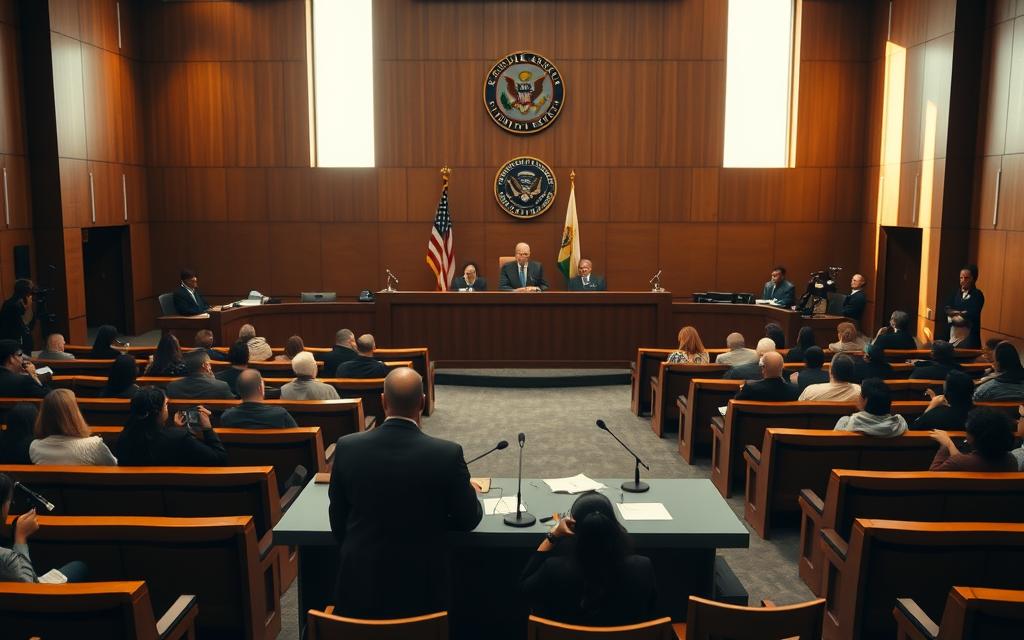
The Board of Immigration Appeals process is very complex. People facing deportation have chances to fight to stay in the U.S. through these courts.
How Immigration Courts Operate
Immigration courts are found all over the U.S. They deal with cases where people might be removed. A deportation defense lawyer is very helpful here. They help people understand and deal with the legal challenges.
- Courts review evidence and testimony from individuals facing deportation
- Judges examine legal status and possible reasons to stay in the U.S.
- Asylum appeal for deportation can be presented during court hearings
What to Expect in Court Hearings
Court hearings are places where people can make strong arguments. Preparation is key to fight a deportation order. Immigrants should be ready to:
- Present strong evidence to support their case
- Show strong family ties
- Explain the hardships of leaving
- Provide documents of legal status or possible relief
Having a skilled deportation defense lawyer can greatly help. They can make a big difference in court.
Filing Your Appeal
Going through the deportation appeal process needs careful steps and knowing the deadlines. Learning how to appeal deportation can really help protect your rights.
The appeal process has many important steps. These steps can greatly affect your case’s outcome. People facing deportation must act fast and smart to have a good chance of winning their appeal.
Deadlines and Filing Procedures
Time is very important when you file an appeal. Here are some key things to remember:
- The standard appeal time is 30 days after the immigration decision
- Some cases have a shorter 15-day deadline
- Having all the right documents is very important
Fees and Costs Involved
The money side of appealing a deportation order can be tough. Here’s what you might spend:
| Expense Category | Estimated Cost Range |
|---|---|
| Court Filing Fees | $100 – $500 |
| Legal Representation | $1,500 – $5,000 |
| Additional Documentation | $200 – $1,000 |
If you don’t have much money, you might get a fee waiver. Having a lawyer can greatly increase your chances of winning. Lawyers help people win their appeals 2-3 times more often than those without one.
About 60% of immigration appeals are first denied. This shows how important it is to be well-prepared and know your rights.
Resources for Immigrants Facing Deportation
Immigration law can be very hard to understand. This is true when you might face deportation. But, there are many resources to help you.
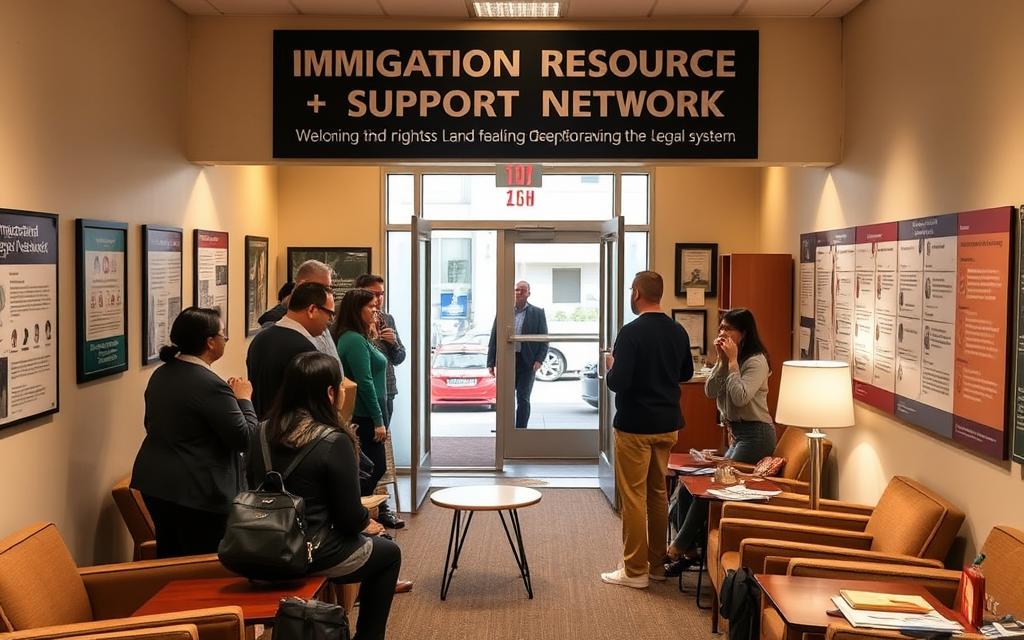
Knowing the right resources is very important. It can help a lot when appealing a USCIS decision or going to immigration court.
Government Support Channels
The U.S. government has many important resources for immigrants facing deportation:
- USCIS Contact Center: 800-375-5283 (General Inquiries)
- TTY Support Line: 800-767-1833
- Online immigration status documentation services
- Free immigration court information portals
Non-Profit Organizations
Many non-profit groups also help a lot:
- American Immigration Lawyers Association (AILA)
- National Immigrant Justice Center
- Immigrant Legal Resource Center
- Local community legal aid networks
Pro tip: Always check if an organization is trustworthy before sharing personal info or paying for services.
Additional Support Resources
There are many ways to get support:
- Community support groups
- Faith-based assistance programs
- Pro bono legal clinics
- Online immigration information forums
About 400,000 people are deported each year. Only 30-40% of appeals win. Having the right help can really change your case’s outcome.
Conclusion: Next Steps to Take
Dealing with deportation needs quick and smart planning. Getting relief from removal requires a detailed plan. The U.S. immigration system has many ways to help those facing deportation.
Appealing an asylum denial or going through the BIA appeal process is urgent. You must document your case well and gather evidence. Also, you have only 30 days to file an appeal.
Getting a lawyer is very important in these cases. They can help find ways to fight your deportation.
Look at all your options, like cancellation of removal or adjustment of status. Each case is different. You need to understand your situation and legal rights well.
Being prepared and knowing your rights is key. Don’t go through this alone. Get help from a lawyer to understand immigration law and protect your future in the U.S.


More Stories
Immigration Lawyer: Your Guide To Legal Immigration Help
How an Immigration Lawyer in Fort Worth Helps Individuals Navigate Federal Immigration Law
What Happens If Your Immigration Case Is Delayed? Know Your Rights.