

Are you stuck in the USCIS processing delays? You’re not alone. Thousands of immigrants face the same problem. It makes them worried about their future.
Delays happen for many reasons. Bureaucratic issues and security checks slow things down. There are just too many applications for the government to handle.
Knowing your rights is key when your case is delayed. Waiting can be tough, but there are ways to speed things up. You can take steps to help your application move faster.
Table of Contents
Key Takeaways
- Immigration delays are common but not insurmountable
- Security checks can significantly extend processing times
- Legal options exist for challenging unreasonable delays
- Professional legal assistance can improve case outcomes
- Documentation is critical in addressing immigration delays
Understanding Immigration Case Delays
Immigration can be tough, with long waits for green cards and USCIS backlog issues. The United States Citizenship and Immigration Services (USCIS) handles millions of applications each year. But, many face big delays.
Common Reasons for Delays
Delays in immigration cases come from many sources. These can really affect people’s lives. Some main reasons are:
- Too many applications
- Not enough USCIS staff
- Long background checks
- Changes in policies
- Limited resources
Impact of Delays on Applicants
Long waits in immigration cases can cause big problems. Applicants face many challenges, like:
- Not knowing their future
- Job limits
- Being apart from family
- Money troubles
The Role of Government Agencies
USCIS is key in handling immigration cases. Federal law says they must decide on naturalization within 120 days after an interview. But, many cases take much longer.
| Case Type | Average Processing Time | Potential Delay Factors |
|---|---|---|
| Naturalization | 6-12 months | Background checks, interview scheduling |
| Green Card | 1-3 years | Visa category backlogs, administrative processing |
| U Visa | 5 years | High demand, limited annual allocations |
To speed up immigration cases, you need patience and planning. Sometimes, you might need to get legal help. Options include mandamus petitions or asking Congress for help.
Your Rights During the Delay
Dealing with immigration case delays can be tough. But knowing your rights is key. Immigrants facing long waits have legal protections and ways to handle their situation.
If your immigration case is delayed, you have rights. These can help you deal with the wait and push your case forward.
Right to Information
It’s important to know what’s happening with your case. You can check your case status in several ways:
- Online USCIS account tracking
- Contact with USCIS customer service (1-800-375-5283)
- Consultation with an immigration lawyer for case delays
Right to Resubmit Applications
If your application has mistakes or missing info, you can fix it. Important steps include:
- Check your original application well
- Find out what’s missing
- Put together a full resubmission package
- Think about getting legal help
Right to Appeal Decisions
If you get a bad outcome, you can ask for a faster review or appeal. Important steps for a faster review include:
- Show urgent humanitarian needs
- Give evidence of big personal hardship
- Point out serious harm from delays
Talking to an immigration lawyer can really help. They can guide you through these tough processes and protect your rights.
Types of Immigration Cases Affected
Immigration case processing can be complex and slow. Different types of immigration applications face different delays. This makes it hard for people trying to legally live in the United States.
How long it takes to process immigration cases varies a lot. Knowing this can help people plan better and get ready for any problems.
Family-Based Immigration Challenges
Family-based immigration cases often have big delays. People may wait a long time because of:
- Quota limits for certain family groups
- Background checks
- Verifying documents
Employment-Based Immigration Hurdles
Employment-based immigration faces its own delays. Main problems include:
- Waiting for labor certification
- Verifying employer sponsorship
- Assessing skills and qualifications
Asylum Seekers and Refugee Applications
Asylum cases often take a long time. An asylum case taking too long can be very hard on people seeking safety.
Challenges for asylum seekers include:
- Long background checks
- Complex humanitarian screenings
- Not enough resources for case review
Knowing about these different processing times helps people deal with U.S. immigration better.
The Timeline of Immigration Cases
Going through immigration can feel like a big maze. Knowing how long it takes helps you plan better. It also helps you deal with delays in naturalization or consular processing.
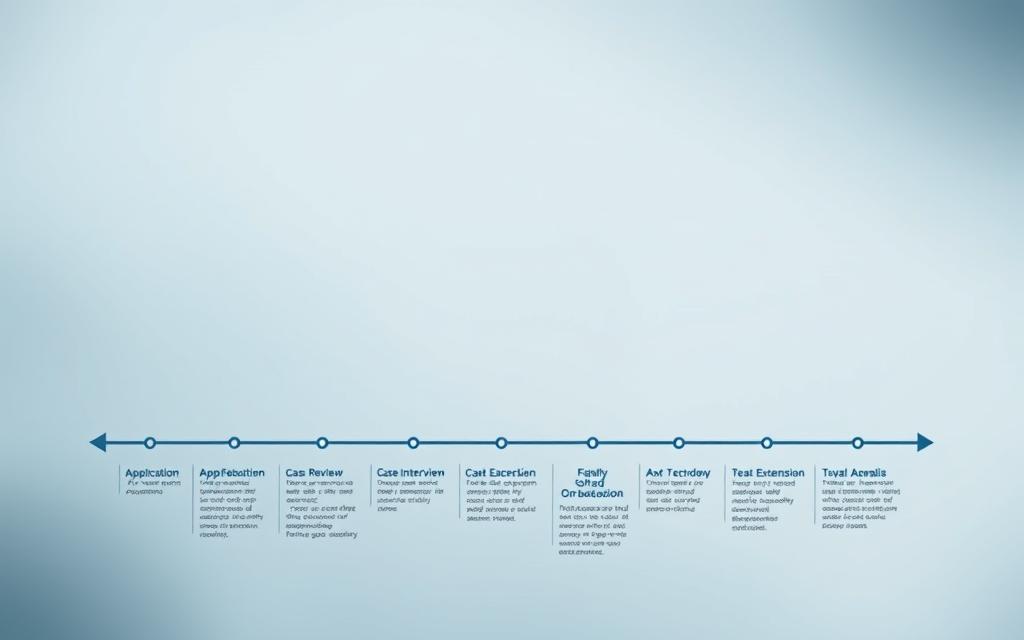
How long it takes to process immigration cases changes a lot. It depends on many things. Each case goes through steps, and how fast it moves changes based on its details and the agency’s work.
Standard Processing Times
USCIS gives out times for different immigration applications. These times help you see where your application is:
- Family-based petitions: 6-12 months
- Employment-based green cards: 8-14 months
- Naturalization applications: 8-12 months
- Asylum applications: 12-18 months
Factors Influencing Processing Times
Many things can change how long it takes to process immigration cases:
| Factor | Potential Impact |
|---|---|
| Background Checks | Can extend processing by 3-6 months |
| Case Complexity | Increases review time significantly |
| USCIS Workload | Directly affects processing speed |
| Document Completeness | Incomplete applications cause substantial delays |
Pro tip: Keep your documents complete and answer requests fast. This can help avoid delays in your immigration case.
What to Do If Your Case Is Delayed
Dealing with immigration interview scheduling delays can be tough. It’s important to know what to do when your case is slow.
- Check your case status online often
- Get all your documents ready
- Know your rights if your case is delayed
- Think about getting a lawyer
Contacting Your Immigration Attorney
An immigration lawyer can really help. They can guide you on how to deal with USCIS delays.
- Find out why your case is delayed
- Look over your application for mistakes
- Tell you what to do next
Checking Case Status Online
The USCIS website lets you track your application. Checking your case status often keeps you updated.
Submitting an Inquiry to USCIS
If your case is taking too long, ask USCIS about it. This is important for lawsuits about delays.
Here’s how to contact USCIS:
- USCIS Contact Center: 1-800-375-5283
- Online Case Inquiry Portal: Available 24/7
- Check in every 30-45 days
Being persistent and having the right documents are key to solving delays.
The Impact of Delays on Employment Authorization
Immigration case delays can really mess up your work plans in the United States. It’s important to know about work permits and employment authorization when dealing with I-130 petition delays.
When immigration cases take a long time, finding work can be tough. Knowing how to handle these delays is key. The updates from the immigration office give us important tips for those waiting on work permits.
Work Permit Challenges
Getting Employment Authorization Documents (EAD) can be hard for immigrants waiting for case approvals. Here are some things to think about:
- EAD card production takes 2 weeks after Form I-765 approval
- Wait 30 days after approval to check on your card status
- Now, you can get up to 540 days of work authorization automatically
Temporary Work Permission Options
Immigrants with long delays can try different ways to keep working. Here are some steps to take for an expedite request for immigration cases:
- Apply for Form I-765 at least 90 days before your EAD expires
- Use automatic extension rules for certain visa types
- Talk to an immigration lawyer for advice
New rules have made work authorization safer for applicants. Now, you can get longer automatic EAD extensions. This helps keep your job stable while you’re going through immigration.
Seeking Legal Assistance
Going through immigration can be really hard. With 326,415 people waiting for visa interviews, many need help. They face delays in their immigration petitions.
Legal help is key when your immigration case hits a roadblock. A good immigration lawyer can guide you. They can help you find ways to keep your case moving.
When to Hire an Immigration Lawyer
Think about getting legal help if:
- Your visa application has been pending for a long time
- You got a Request for Evidence (RFE)
- You’re thinking about a mandamus lawsuit for immigration delay
- Your case is very complex
Benefits of Professional Help
Getting professional legal help has many benefits:
| Benefit | Description |
|---|---|
| Case Evaluation | They will look at your immigration delays closely |
| Strategic Guidance | They can help you figure out how to follow up on your visa |
| Legal Representation | They might represent you in court or before officials |
Legal help might cost money, but it’s often worth it. An experienced immigration lawyer can help you through tough legal times. They might even speed up your case.
Filing Complaints and Seeking Remedies
Dealing with immigration delays can be really tough. It’s even harder when you’re waiting for a green card or your asylum case is taking too long. Knowing how to file complaints and find solutions is key for immigrants facing these issues.

When your naturalization case is delayed too long, you have ways to handle it. The U.S. Citizenship and Immigration Services (USCIS) has special ways for people to fight against long wait times.
How to File a Complaint
To file a complaint, you need to gather all important documents and plan your steps carefully. Here’s what to do about your immigration case delay:
- Collect all relevant documentation about your case
- Contact USCIS through their official customer support channels
- Submit a detailed written inquiry explaining your specific circumstances
- Request an update on your pending application
When to Consider Legal Action
In some cases, you might need to take stronger steps to fix your immigration case delay:
- Your case has exceeded standard processing times
- You’ve experienced significant personal or professional hardships
- USCIS has not responded to multiple inquiries
- You believe there’s an administrative error
The legal system can help through mandamus lawsuits. These lawsuits often work well, solving cases in 3-6 months. The government usually has 60 days to reply to complaints.
Remember, filing a motion doesn’t automatically stop your case or change its status. Talking to an immigration lawyer can help you find the best way to handle your situation.
Alternatives If Your Case Is Stuck
Dealing with immigration issues can be really tough. It’s even harder when your visa application is stuck in review. With over 2 million delayed asylum decisions in the United States, many people look for other ways to move forward.
When you face delays in consular processing, you have some choices. Knowing these options can help you keep moving forward in your immigration journey.
Exploring Alternative Visa Categories
If your current path is blocked, think about these visa options:
- Family-based visa alternatives
- Employment-based temporary visas
- Student visa transitions
- Investor visa opportunities
Humanitarian Relief Programs
For those with big delays in immigration interviews, humanitarian relief programs might help. These programs offer important support for people in tough situations.
- Temporary Protected Status (TPS)
- Asylum seekers relief programs
- Special immigrant visas
- Refugee resettlement options
Pro tip: Talk to an experienced immigration lawyer to find the best path for you. Every case is different, and a lawyer can really help you out.
Understanding Policy Changes
Changes in immigration policy can really slow down case processing. They also make it harder for people to get through the U.S. immigration system.
The world of immigration policy is always changing. This affects how to avoid long USCIS delays in big ways:
- Immigration applications get more scrutiny.
- Background checks are now more thorough.
- Rules are interpreted more strictly.
Recent Immigration Policy Transformations
Policy changes can really mess up immigration processing. People trying to fix I-130 petition delays face big challenges. These changes often lead to:
- Longer wait times for processing.
- More Requests for Evidence (RFEs).
- Applications become more complicated.
Impact of Policy Shifts on Case Processing
Dealing with policy changes needs a smart plan. If you’re thinking about suing for immigration delay, know how policy changes affect your case. Important things to think about include:
- Enforcement priorities
- How much power officials have.
- Legal limits they might face.
It’s very important to keep up with immigration policies. Talking to skilled immigration lawyers can really help. They can guide you through these tricky rules.
The Human Toll of Immigration Delays
Immigration delays hurt people’s feelings and minds. They make families wait forever. This makes hopes turn into constant worry.
Applicants get very stressed when they ask for expedite request for immigration cases. The immigration office case processing updates seem too slow. Families feel stuck forever.
Personal Experiences of Waiting
- Emotional strain of uncertain immigration status
- Financial instability during prolonged processing
- Separation from family members
- Career and educational opportunities on hold
Mental Health Considerations
Immigration delays hurt people’s minds a lot. Many feel:
- Chronic anxiety
- Depression
- Post-traumatic stress
- Loss of hope and motivation
Some people try a mandamus lawsuit for immigration delay to get help. This legal step gives hope to those stuck waiting.
| Emotional Impact | Potential Consequences |
|---|---|
| Prolonged Uncertainty | Increased Mental Health Risks |
| Family Separation | Psychological Trauma |
| Career Interruption | Financial and Personal Stress |
It’s key to have friends and mental health help during these tough times. Seeing the human side of delays helps make better immigration rules.
Resources and Support Networks
Dealing with immigration delays can be tough. But, many resources help immigrants with legal issues. Knowing how to check on visa applications is key when facing delays.
Those waiting for green cards have many places to turn for help. These groups offer important support during tough times.
Finding Legal Aid Organizations
Legal aid groups help a lot with immigration problems. They guide you through the legal maze.
- Immigrant Legal Resource Center
- National Immigration Law Center
- International Refugee Assistance Project
- American Immigration Lawyers Association
Utilizing Community Resources
Community groups are very important for immigrants. They offer help and support.
| Resource Type | Services Provided |
|---|---|
| Community Centers | Language support, legal workshops, cultural integration |
| Advocacy Groups | Policy guidance, legal consultations, support networks |
| Religious Organizations | Counseling, emergency assistance, community connections |
Key tips for immigrants include proactive communication and keeping all documents ready. Using support networks helps a lot.
Remember, you’re not alone in your immigration journey. Many groups are ready to help with guidance and support.
Long-Term Solutions for Immigration Reform
The U.S. immigration system has big problems. Asylum cases take too long, and naturalization cases are delayed. We need big changes to fix these issues.
Nonprofits and groups help a lot. They push for better immigration laws. They want to make it easier for immigrants to come and stay.
Key Advocacy Strategies
- Developing policy recommendations to streamline immigration processes
- Providing legal support for immigrants facing complex case delays
- Raising public awareness about immigration challenges
- Lobbying for legislative reforms
Impact of Reform Efforts
There’s a big need for change. Almost 1.5 million asylum cases are waiting in U.S. courts. And, 3.6 million new asylum applications were made worldwide. We must make big changes.
| Reform Focus Area | Potential Impact |
|---|---|
| Expedited Processing | Reduce waiting times by 40% |
| Legal Support Access | Increase successful applications by 25% |
| Policy Modernization | Create more inclusive immigration pathways |
New programs like the Welcome Corps show hope. They aim to fix immigration problems. By helping these efforts, we can make immigration fairer and faster.
Tracking Your Immigration Case Progress
Immigration can be hard, like when your visa is stuck. Knowing how to track your case is key. It helps you feel better while waiting.
Now, technology helps a lot. The USCIS has digital tools. They help you keep up with your application and avoid delays.
Essential Tools for Case Monitoring
- USCIS Online Case Status Tracker
- National Visa Center Online Portal
- Case Status Mobile Application
- Email Notification Systems
Processing Time Analysis
Knowing how long things take is important. Different cases wait for different times.
| Case Type | Average Processing Time | Potential Delay Factors |
|---|---|---|
| U Visa Applications | 5-17 years | Background checks, security verifications |
| Employment-Based Cases | 6-18 months | Documentation complexity |
| Family-Based Petitions | 12-24 months | Verification processes |
Proactive Tracking Strategies
- Create an online USCIS account
- Check status regularly
- Maintain complete documentation
- Respond quickly to requests
Use digital tools and stay informed. This way, you can handle the wait better and feel less stressed.
Conclusion: Navigating Immigration Delays
Immigration delays can be tough to handle. But knowing your options helps you act wisely. An immigration attorney can guide you through tough times.
If your case is taking too long, look into I-130 petition delay solutions. You can ask for your case to be expedited. The USCIS Ombudsman can help quickly, taking action on most cases in three months.
If usual ways don’t work, think about a federal lawsuit. Many have won by using legal actions against long waits. Talking to experienced immigration lawyers can help you plan your next steps.
Every immigration path is different. Stay informed and keep trying. Knowing your rights and using the right resources can help you overcome delays and reach your goals.


More Stories
Immigration Lawyer: Your Guide To Legal Immigration Help
How an Immigration Lawyer in Fort Worth Helps Individuals Navigate Federal Immigration Law
Can You Appeal a Deportation Order? Legal Options Explained