

Could your beach attire land you in legal trouble if worn three blocks inland? The line between personal freedom and unlawful behavior often depends on community standards – traditions and morals shaping local laws.
Legally, indecent exposure involves deliberately revealing body parts in ways violating societal norms. Definitions vary: California penalizes genital displays for sexual gratification, while Maine focuses on intent to alarm others. These distinctions highlight how regional values influence legal outcomes.
Accidental wardrobe malfunctions rarely face prosecution. Courts typically require proof of intentional sexual provocation. A 2019 Texas case dismissed charges against a jogger whose shorts ripped, emphasizing the need for malicious intent.
Consequences escalate with repeat offenses. First-time violators might receive fines up to $1,000, while habitual offenders risk six-month jail terms. Some states mandate sex offender registration for severe cases involving minors.
Table of Contents
Key Takeaways
- Legal definitions require deliberate acts violating local behavioral standards
- Community norms rooted in tradition or religion shape enforcement
- Penalties range from fines to incarceration based on severity
- Intent separates unlawful exposure from accidental nudity
- Statutory interpretations differ significantly across jurisdictions
Understanding Public Indecency
Many assume legal boundaries match social expectations, but courtroom realities often differ. A shirtless jogger might spark complaints without violating statutes, while intentional exposure in a playground could lead to arrest. Three factors determine legality: location, behavior, and proven intent.
Legal Spaces and Actions
Courts define “public place” broadly – parks, transit hubs, and even private properties visible from streets. A 2021 Ohio case dismissed charges against a homeowner seen through windows, ruling residences aren’t public venues. This distinction protects accidental exposure during daily activities.
| Location Type | Legal Status | Common Outcomes |
|---|---|---|
| Beaches | Partial protection | Warnings for swimwear misuse |
| Public transit | High scrutiny | Fines for deliberate acts |
| Private yards | Case-specific | Dismissals without malicious intent |
Myths vs. Legal Reality
Contrary to popular belief, breastfeeding mothers rarely face charges. Most states exempt caregiving conduct from indecency laws. However, Colorado prosecuted a hiker in 2022 for repeated nude photoshoots near trails, demonstrating how persistent behavior overrides artistic claims.
Lawmakers focus on provocative intent rather than momentary slips. Prosecutors must prove defendants knowingly caused alarm. This safeguards individuals from penalties for accidents while holding deliberate offenders accountable.
Historical Perspectives on Indecency Laws
How did ankle-length skirts become symbols of moral panic in 19th-century courtrooms? Early statutes reveal surprising connections between fashion choices and criminal charges. Legal systems once policed fabric lengths as rigorously as violent acts.
Victorian Era Standards and Shifts
In 1870s London, displaying a woman’s ankles or wrists in public could trigger fines. Police issued charges for “lewd exposure” if sleeves ended above the elbow. These rules reflected state-enforced morality rather than practical safety concerns.
| Body Part | Victorian Penalty | Modern Status |
|---|---|---|
| Ankles | £5 fine | Legal |
| Shoulders | Public censure | Protected |
| Knees | Arrest (1890s NYC) | Common attire |
Evolution of Public Attitudes Over Time
Beachgoers faced arrest for rolled-up trousers in 1930s California. By 1975, courts dismissed similar charges, recognizing changing social norms. This shift shows how time transforms legal interpretations of “indecent acts“.
Modern laws rarely prosecute breastfeeding mothers, unlike 1920s statutes labeling it a crime. A 1982 Oregon case cemented protections for caregivers, contrasting sharply with past state approaches. These changes highlight society’s growing distinction between harm and personal choice.
What is Public Indecency? Legal Definitions and Scope
Courtrooms nationwide grapple with defining when body exposure crosses into criminal territory. U.S. statutes establish clear benchmarks, requiring proof of deliberate acts that offend community standards. These legal frameworks balance individual freedoms with societal expectations.

Statutory Definitions in the United States
Federal and state laws typically require three elements for prosecution: intentional exposure of genitals, presence in public locations, and likelihood to cause alarm. California Penal Code § 314 classifies acts motivated by sexual desire as misdemeanors, while New York Penal Law § 245.01 focuses on intent to harass.
Key factors influencing charges include:
- Visibility from streets or communal areas
- Duration of exposure
- Proximity to schools or parks
Comparative Analysis with International Standards
Global approaches reveal stark contrasts. Japan’s vague public nuisance laws allow subjective enforcement, while Germany’s § 183 explicitly prohibits genital displays in non-designated zones. Unlike U.S. statutes, France requires proof of sexual intent for convictions.
| Country | Legal Standard | Key Differentiator |
|---|---|---|
| United States | Community standards | Location-specific penalties |
| United Kingdom | Intent to distress | No genital contact required |
| Australia | Reasonable person test | Focus on observer impact |
These variations demonstrate how cultural values shape statutes governing public conduct. Legal professionals emphasize reviewing specific sections of regional codes when evaluating cases.
Regional Variations in Public Decency Laws
Why might sunbathing tourists face fines in one city but enjoy nude beaches in another? Legal systems worldwide reflect cultural values through their treatment of body exposure. From indecent exposure laws to designated recreation zones, regional differences create complex rules for residents and travelers.
Legislation in the United States and Canada
North American approaches reveal stark contrasts. Florida penalizes nudity near schools with $500 fines, while California allows exposure at approved beaches. Canadian crimes under Section 174(1) require proof of “vulgar intent”, protecting breastfeeding mothers but penalizing street performers.
| Region | Legal Approach | Key Features |
|---|---|---|
| Texas | Strict location rules | Felony charges near playgrounds |
| Quebec | Cultural exemptions | Artistic nudity protections |
| Nevada | Tourism focus | Resort zone allowances |
Differences Across Europe, Australia, and Beyond
Spain’s Costa del Sol hosts 40+ legal nude beaches, whereas UAE laws mandate full-body coverings. Australian courts use “community harm” tests, dismissing cases where people sunbathe discreetly. Germany’s penalties increase near religious sites, showing how place shapes enforcement.
Key global contrasts include:
- France’s €15,000 fines for beach violations
- New Zealand’s Māori cultural exemptions
- Japan’s ambiguous “public nuisance” statutes
Penalties, Charges, and Criminal Defense Options
Legal outcomes for body exposure cases hinge on two critical factors: charge severity and local court tendencies. A misdemeanor might bring probation in one state but jail time in another. Understanding these variations helps defendants navigate complex proceedings.

Misdemeanor vs. Felony: Legal Distinctions
Most first-time public lewdness charges qualify as misdemeanors. Texas imposes up to 180 days in jail for repeat offenses near schools. Felonies apply when minors witness acts – Florida mandates 5-year minimums in such cases.
| State | Charge Type | Jail Maximum | Fines |
|---|---|---|---|
| California | Misdemeanor | 6 months | $1,000 |
| New York | Felony | 4 years | $5,000 |
| Illinois | Class A Misdemeanor | 1 year | $2,500 |
Defenses and Case Examples from Recent Jurisdictions
Skilled lawyers often challenge intent claims. A 2023 Ohio dismissal occurred when surveillance footage disproved deliberate exposure. Mental health evaluations helped reduce sentences in three Washington cases last year.
Effective criminal defense strategies include:
- Proving accidental clothing malfunctions
- Demonstrating lack of witnesses
- Challenging improper police procedures
Consulting a lawyer immediately improves case outcomes. Many jurisdictions offer diversion programs instead of jail for first offenses, preserving future opportunities.
Addressing Public Misconceptions and Contemporary Issues
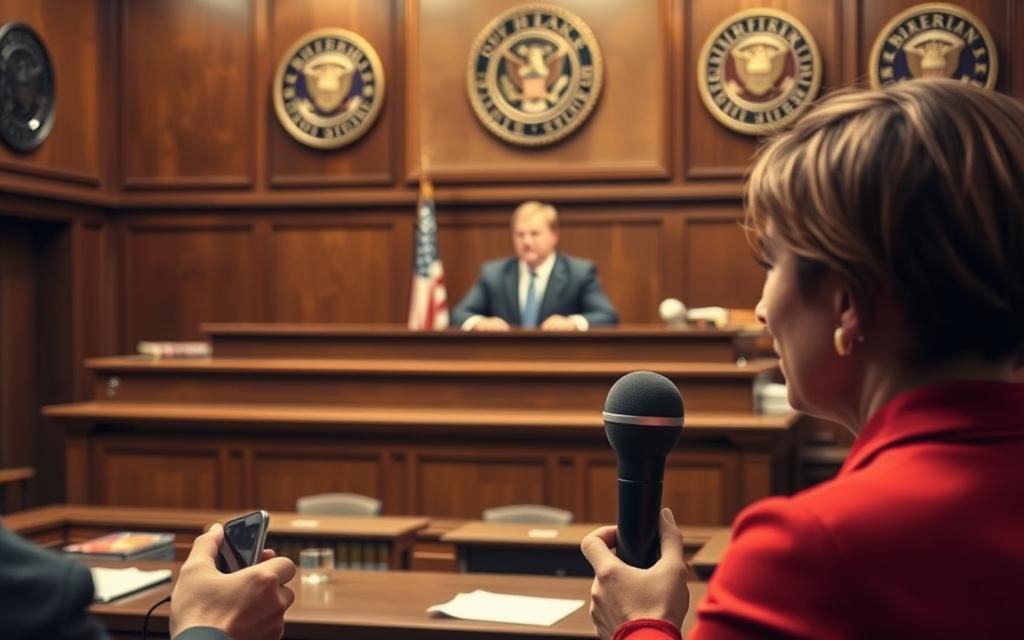
Media coverage often amplifies fear rather than facts in exposure-related cases. A 2023 Michigan incident where a theater actor faced backlash for costume malfunctions highlights this divide. Public outrage surged online despite no charges being filed.
Social Attitudes and Changing Norms
Studies show 68% of Americans wrongly believe most offenders target strangers. Reality differs: 75% know their victims personally. This “stranger danger” myth fuels unnecessary panic and skewed policies.
| Public Perception | Legal Reality | Impact |
|---|---|---|
| All offenders are predators | 83% don’t reoffend | Harsh housing restrictions |
| Exposure always involves desire | Mental health often factors | Missed treatment options |
| Labels define risk level | Case specifics matter | Employment discrimination |
Bystanders frequently misjudge situations. Research confirms groups are 40% less likely to report accidental exposures than lone witnesses. This “others effect” creates uneven enforcement patterns.
The Role of Media and Legal Advocacy
News outlets often conflate minor incidents with severe crimes. A 2022 Florida case saw viral headlines labeling a dementia patient a “sex offender” for wandering confused. Legal teams helped dismiss charges, but reputational damage lingered.
Three steps help those facing unfair accusations:
- Document interactions with witnesses immediately
- Request mental health evaluations early
- Challenge improper registry listings
Advocacy groups now push for nuance in exposure laws. Recent reforms in Oregon prevent labeling non-predatory acts as felonies. These changes recognize that not every offender poses ongoing threats.
Conclusion
Legal consequences for public exposure vary dramatically between city blocks and courtroom docks. A simple act could lead to conviction in one jurisdiction while being protected elsewhere. Regional laws reflect community values, making location-specific legal service essential for defense strategies.
Exposing private areas of the body risks classification as a sex crime, particularly when authorities prove intent to arouse. Charges escalate if minors witness acts or offenders target sensitive locations. Repeat violations often trigger mandatory registry requirements.
Modern lewdness statutes balance evolving social norms with public safety concerns. Recent cases show courts dismissing accidental exposures while punishing deliberate misconduct. Yet definitions remain fluid – beach attire acceptable today might spark debates tomorrow.
Consulting attorneys familiar with local standards prevents missteps. Professional service teams can challenge improper charges or negotiate reduced penalties. Stay informed about regional codes, as conviction impacts employment, housing, and reputation.
Understanding these complexities helps navigate risks. When facing allegations, prioritize expert guidance to protect rights and futures.


More Stories
Gun Charges in Maryland: A Clear Guide to Common Offenses and Legal Consequences
General Practice Attorneys: A Guide to All-in-One Legal Help
Attorneys to Sue a Company: A Guide to Holding Corporations Accountable