

Have you ever wondered how actions speak louder than words in critical moments? Imagine needing urgent medical care but being unable to communicate. How do professionals proceed legally and ethically?
In both healthcare and legal settings, implied consent refers to permission inferred through behavior rather than explicit written or verbal agreements. For instance, rolling up your sleeve for a vaccine signals cooperation. Similarly, showing up for routine checkups suggests willingness to proceed.
This concept differs from express consent, which requires documented approval. Emergency scenarios often rely on implied agreements – like paramedics administering life-saving treatments when patients can’t respond. Law enforcement may also use this principle during DUI checks when drivers comply with breathalyzer tests.
Table of Contents
Key Takeaways
- Implied consent is inferred through actions, not formal agreements
- Common in medical emergencies and routine procedures
- Contrasts with express consent requiring explicit approval
- Used by healthcare providers and law enforcement
- Understanding rights helps navigate consent-related decisions
- Later sections explore legal consequences and DUI implications
Recognizing these unspoken agreements empowers individuals to make informed choices. From blood draws during traffic stops to annual physicals, silent approvals shape outcomes in ways many never consider.
Introduction to Consent in Medical and Legal Contexts
How do professionals balance patient rights with practical care needs? Clear agreements form the backbone of ethical practices across medicine and justice systems. Two primary frameworks guide these interactions: express and implied approval processes.
Defining Express and Implied Approval
Express approval involves documented agreements, like signing surgery forms after reviewing risks. Patients receive detailed explanations before authorizing treatments. This approach dominates complex procedures requiring explicit understanding.
Implied approval emerges through cooperative behavior. Rolling up a sleeve for vaccinations or complying with roadside sobriety checks demonstrates silent agreement. These actions eliminate formal paperwork in routine or urgent scenarios.
Why These Frameworks Matter
Both systems protect individual autonomy while enabling efficient service delivery. Transparent policies prevent misunderstandings in healthcare settings and law enforcement interactions. Consider these key contrasts:
| Aspect | Express Approval | Implied Approval |
|---|---|---|
| Form | Written/verbal | Behavior-based |
| Common Use | Surgery consent | Blood tests |
| Legal Weight | Explicit evidence | Contextual interpretation |
Medical ethics require providers to explain treatment options thoroughly. Legal standards demand officers articulate consequences during DUI stops. These practices build trust through consistent communication.
Later sections explore how states apply these principles differently, from Tennessee’s medical protocols to Arizona’s traffic enforcement policies. Real-world cases demonstrate their critical influence on outcomes.
Implied Consent in Healthcare: Patient Actions and Emergency Situations
Everyday medical visits rely on unspoken agreements between patients and providers. These silent understandings streamline care while maintaining ethical standards.
Routine Examinations and Cooperative Signals
Rolling up a sleeve for vaccinations or extending an arm for blood work demonstrates readiness to proceed. A 2023 emergency department study found 52% of patients consented to routine testing through actions alone. Clear explanations from staff ensure these gestures align with patient awareness.

Life-Saving Decisions Without Words
Unresponsive patients in critical situations often receive care under presumed agreement. The AMA Code of Ethics permits immediate intervention when delays risk lives. Examples include:
- Administering oxygen during cardiac arrest
- Stabilizing trauma victims at accident scenes
- Performing emergency surgery when family isn’t reachable
Providers balance swift action with later information sharing. For intoxicated or unconscious individuals, treatment proceeds under legal protections favoring life preservation. This framework prevents harm while respecting autonomy through post-care transparency.
Express vs. Implied Consent: Understanding the Differences
Medical decisions hinge on clear communication between professionals and patients. Two distinct frameworks govern approvals: documented agreements and behavior-based permissions.
Documented Agreements vs. Behavioral Signals
Written approvals require detailed disclosures about risks, benefits, and alternatives. Surgeons obtain signatures after explaining procedure specifics. This content-rich process creates legal safeguards for both parties.
Behavior-driven permissions emerge through cooperation. Presenting an arm for bloodwork or complying with diagnostic tests signals readiness. These actions bypass paperwork but lack explicit evidence.
| Criteria | Express Approval | Implied Approval |
|---|---|---|
| Form | Signed documents | Actions/gestures |
| Detail Level | Comprehensive | Context-dependent |
| Common Use | Surgeries | Lab work |
Clarity in Treatment Authorization
Diagnostic tests often serve as verification checkpoints. Providers might confirm understanding through verbal checks before MRI scans. This layered approach reduces misinterpretation risks.
Malpractice disputes highlight challenges with unspoken agreements. Courts examine whether reasonable observers would interpret actions as approval. Documentation gaps can complicate liability determinations.
Transparent processes remain vital. Detailed forms and verbal confirmations protect patient autonomy while enabling efficient care. Balancing these elements fosters trust in medical relationships.
what is implied consent: Understanding the Term in Legal Settings
Drivers often face critical decisions during traffic stops that carry lasting consequences. Legal systems operate on silent agreements tied to vehicle operation. These unspoken rules shape interactions with law enforcement nationwide.
Testing Protocols During Traffic Stops
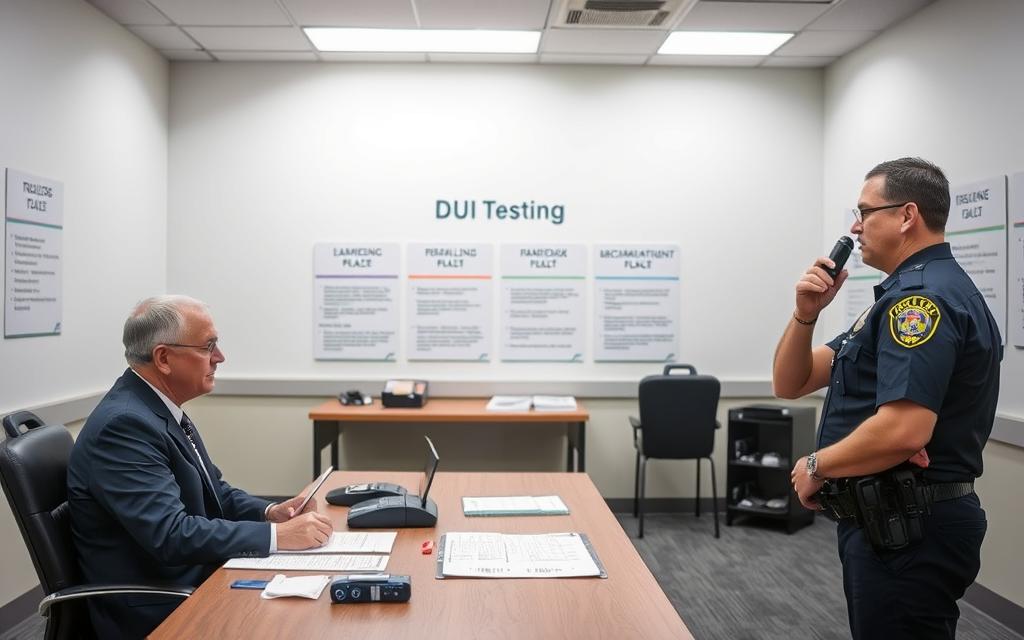
State laws establish that driving privileges come with responsibilities. By getting behind the wheel, individuals agree to chemical tests if suspected of impairment. Refusing breath or blood analysis triggers automatic penalties in most jurisdictions.
Officers follow strict procedures during sobriety checks. A 2022 study showed 78% of DUI arrests involved breathalyzer use. These devices provide immediate evidence but require proper calibration to hold up in court.
Case Outcomes and Defense Strategies
Legal professionals emphasize how test refusal impacts trials. Prosecutors may argue non-compliance indicates guilt, while defense attorneys scrutinize testing methods. Key factors in recent cases include:
- Proper Miranda rights communication
- Equipment maintenance records
- Officer training documentation
| Aspect | Medical Context | Legal Context |
|---|---|---|
| Basis | Patient cooperation | Driving privilege |
| Consequences | Treatment delays | License suspension |
| Evidence Use | Health records | Criminal charges |
Understanding DUI arrest procedures helps drivers recognize their rights. Legal teams often challenge whether officers properly explained test requirements. These details frequently determine case outcomes.
Implied Consent in Law Enforcement: DUI Tests, Penalties, and Enforcement
Blue lights flash behind your car. An officer approaches, suspecting impairment. This moment activates hidden rules built into driving privileges nationwide.
Chemical Evidence Collection Protocols
When law enforcement suspects intoxication, they follow strict testing sequences. Breath analyzers measure alcohol content through exhalations. Blood draws provide precise BAC levels but require medical staff involvement.
Most states mandate cooperation with these tests through implied consent regulations. Refusal triggers automatic penalties, even without conviction.
Refusal Ramifications Across Jurisdictions
Declining chemical analysis often worsens outcomes. Many states impose:
- Immediate license suspension (6-18 months)
- Mandatory ignition interlock devices
- Extended vehicle impound periods
| State | First Refusal | Repeat Offense |
|---|---|---|
| California | 1-year suspension | 2-year revocation |
| Indiana | 1-year ban | 10-year suspension |
| New York | $500 fine + 6-month suspension | 18-month suspension |
Officers must establish probable cause through visible signs like slurred speech or erratic driving. Legal strategies often focus on challenging testing procedures or officer training records during consultations.
Navigating Consent Laws in the United States: A State-by-State Overview
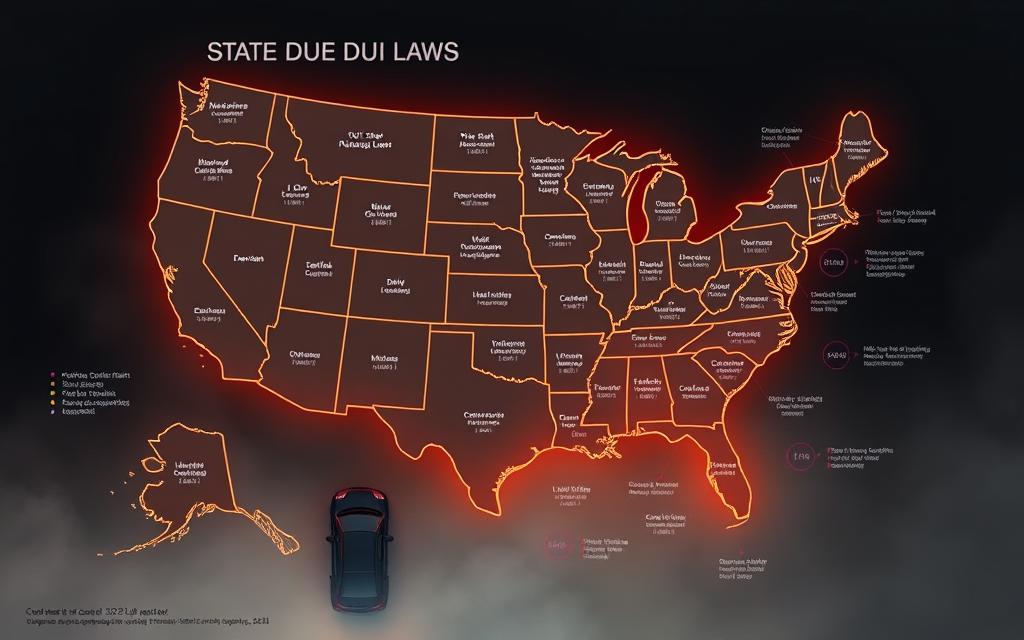
State lines can dramatically alter outcomes for drivers facing DUI checks. Legal frameworks for testing and penalties vary widely, requiring careful navigation of regional statutes.
Regional Enforcement Contrasts
Tennessee’s TCA § 55-10-406 mandates automatic 1-year license revocation for refusing breath tests. Officers must show probable cause like erratic driving patterns. Arizona imposes harsher fines – up to $2,000 for first-time test refusal.
Florida takes a hybrid approach. Drivers lose licenses for 18 months but can challenge suspensions within 10 days. This window allows attorneys to scrutinize testing equipment calibration records.
| State | Test Refusal Penalty | License Suspension | Fines |
|---|---|---|---|
| Tennessee | 1-year revocation | Mandatory | $500 |
| Florida | 18-month suspension | Contestable | $1,000 |
| Arizona | 2-year revocation | Non-negotiable | $2,000 |
Vehicle operators in these states face distinct protocols. Arizona requires blood draws if officers suspect drug impairment. Tennessee permits urine tests under medical supervision. Legal teams often challenge improper test administration timelines.
Attorneys emphasize documenting officer interactions. Bodycam footage review helps identify violations of implied consent law procedures. Successful defenses frequently hinge on technicalities like expired testing certifications.
Conclusion
Navigating consent frameworks requires awareness of both silent agreements and documented approvals. Express permissions dominate high-stakes medical procedures, while behavioral cues guide routine care and emergency interventions. Law enforcement interactions reveal how actions – like operating a vehicle – trigger legal obligations under implied consent law.
State-specific penalties for test refusal vary widely. California imposes $500 fines for first-time breathalyzer declines, while New York mandates automatic six-month license suspensions. These differences highlight the need to research local statutes before traveling or relocating.
Medical professionals prioritize transparency through post-treatment explanations, whereas officers focus on immediate evidence collection. Both fields demonstrate how cooperation shapes outcomes – whether preserving health or facing criminal charges.
Consulting an attorney remains critical when contesting penalties or challenging testing protocols. Legal experts analyze equipment calibration records and officer training logs to build defenses. Staying informed empowers individuals to make decisions aligning with their rights and responsibilities across healthcare and justice systems.


More Stories
Gun Charges in Maryland: A Clear Guide to Common Offenses and Legal Consequences
General Practice Attorneys: A Guide to All-in-One Legal Help
Attorneys to Sue a Company: A Guide to Holding Corporations Accountable